
Ant Control Perth: Professional Ant Removal & Colony Treatments
Targeted Ant Management for Perth Homes & Outdoor Spaces — From $180 inc GST
Ants are among the most persistent and frustrating household pests in Western Australia. Whether you are dealing with relentless trails across kitchen splashbacks, sugar ants in the pantry, or sand mounds appearing along your outdoor paving, a targeted approach is essential to achieve meaningful, long-term control. Fix4U Pest Control And Termite Treatment Perth delivers structured ant treatments across Greater Perth designed to locate the source, manage foraging trails, and suppress active colonies.
Operating from our Gosnells depot (120 Dowitcher Loop, Gosnells WA 6110) and registered with the Western Australia Department of Health (WA Health Reg. 2896), our licensed technicians apply detailed property inspections, targeted matrix baiting, and perimeter treatments tailored to your property layout. Residential ant treatments start from $180 inc GST. Final pricing depends on property size, extent of paving, access, level of ant activity, required treatment approach, and site conditions.
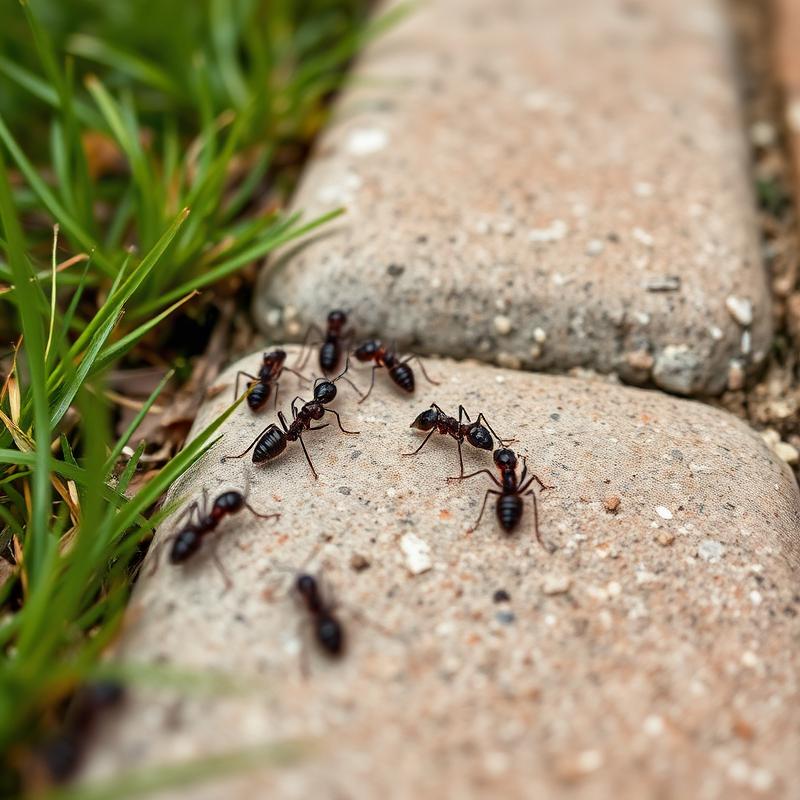
Professional ant management combines thorough property inspection, species identification, non-repellent perimeter treatments, and slow-acting matrix baiting to target the subterranean colony source.
Ant Control for Perth Homes
Perth’s warm climate and suburban layouts create ideal living conditions for multiple ant species. While ants play an important ecological role in natural bushland, their presence inside residential homes and around outdoor entertaining areas introduces genuine daily challenges:
Food & Surface Contamination
Foraging worker ants trail across benchtops, pantries, pet food bowls, and dishwashers, spreading bacteria and contaminating open food containers.
Paving & Garden Disturbance
In areas across the Swan Coastal Plain where sandy soils are prevalent, certain ground-nesting ants excavate fine sand from beneath brick paving, driveways, and patio copings, creating unsightly sand piles and potentially destabilising pavers over time.
Electrical & Cavity Harbourage
Several ant species exploit wall cavities, subfloors, and electrical junction boxes, occasionally causing nuisance short circuits in air-conditioning isolators or power outlets.
Fix4U focuses on responsible, targeted ant management. Rather than simply spraying visible worker ants—which frequently leaves the subterranean nest unaffected—our treatments focus on identifying the species, locating entry points, and deploying treatments that target the colony source.
Why Ants Enter Perth Properties
Ants enter homes primarily in search of three essentials: food, water, and shelter. Understanding what attracts them helps property owners maintain better preventative habits:
Available Food Attractants
Sweet substances (honey, soft drink spills, ripe fruit), greasy residues around cooktops, and unattended pet food dishes provide high-energy nutrition for foraging worker ants.
Moisture Seeking During Warm Weather
During dry summer heatwaves, ants actively seek moisture. Sinks, dripping garden taps, bathroom drains, and air-conditioning condensation lines act as primary moisture magnets.
Weather Shifts & Heavy Rain
Prior to seasonal rain events, outdoor colonies may move upward or explore building structures to escape saturated ground soil, leading to sudden indoor activity.
Signs of Ant Activity Around Your Property
Homeowners typically detect ant infestations through clear behavioural signs:
Common Ant Species Relevant to Perth
Western Australia is home to numerous ant species. Because habits, food preferences, and nesting structures vary widely, accurate identification is the critical first step in successful management:
Coastal Brown Ant (Pheidole megacephala)
Big-Headed Ant / Paving ExcavatorAppearance & Castes: Light ginger-brown to dark brown body (2 to 4.5 mm) displaying two distinct worker sizes. Major workers ("soldiers") possess disproportionately large, heart-shaped heads and powerful jaws used for crushing seeds and defense, while minor workers handle foraging.
Habits & Impact: Highly prevalent across the sandy soils of suburban Perth. They frequently nest under brick paving, concrete paths, and lawns, excavating sand through paver joints and creating widespread outdoor mounds.
Argentine Ant (Linepithema humile)
Multi-Queen SupercoloniesAppearance & Habits: Small (2.6 to 3.2 mm), slender, uniform dark brown ants that travel in dense, continuous, well-defined trails along paths, foundations, and fence lines. When crushed, they often emit a faint musty or greasy odour.
Colony Structure: Argentine ant colonies contain multiple queens and can form extensive, interconnected supercolonies that share resources rather than fighting neighbouring nests.
Black House Ant (Ochetellus glaber)
Household NuisanceAppearance & Habits: Small (2.5 to 3 mm), shiny black ants that nest in exterior wall cavities, under window sills, in roof spaces, or under tree bark.
Indoor Foraging: Frequently invade kitchens, pantries, and bathrooms in tight trailing lines, strongly drawn to sweet residues, syrup, fruit juice, and grease.
Sugar Ants (Camponotus species)
Nocturnal ForagersAppearance & Habits: Large ants (7 to 15 mm body length) with distinctive orange-brown and black banded abdomens. They are predominantly nocturnal foragers that nest in outdoor soil, under garden rocks, or in decaying wood, entering homes at night in search of sugary foods.
Bull Ants (Myrmecia species)
Aggressive / Painful StingAppearance & Habits: Very large (15 to 25 mm), aggressive ants with large protruding mandibles and prominent eyes, found predominantly in outer suburban areas, the Perth Hills, and bushland settings.
Risk: Unlike common indoor nuisance ants, Bull ants possess a painful sting used in nest defense. They nest in outdoor soil mounds and require cautious, professional handling.
White-Footed House Ant (Technomyrmex albipes)
Structural VoidsAppearance & Habits: Small (3 to 3.5 mm) dark brown-black ants with pale, yellowish-white feet. They commonly nest in wall cavities, roof voids, and behind architraves, often establishing large satellite colonies within structural voids.
In Australia, the term "white ants" is a common historical misnomer for subterranean termites. Termites are biologically distinct from true ants and feed on cellulose timber. If you suspect timber pest damage, explore our certified termite inspection Perth services.
Where Ants Nest and Enter Properties
Ants exploit tiny structural openings to gain access to residential interiors:
| Location | Typical Harbourage / Entry Point | Commonly Associated Species |
|---|---|---|
| Brick Paving & Driveways | Gaps between pavers, expansion joints, patio edges | Coastal Brown Ants |
| Weep Holes & Foundation Voids | Ground-level weep holes, foundation perimeter cracks | Argentine Ants, Coastal Brown Ants |
| Window Frames & Sills | Unsealed joinery gaps, flyscreen tracks | Black House Ants |
| Kitchens & Bathrooms | Plumbing pipe penetrations, kickboards, splashbacks | Black House Ants, Sugar Ants |
| Roof Spaces & Wall Cavities | Ceiling insulation edges, electrical wiring runs | White-Footed House Ants |
| Gardens & Retaining Walls | Tree bases, timber retaining sleepers, garden mulch | Sugar Ants, Bull Ants |
Professional Ant Treatment Process
At Fix4U, our ant pest control methodology is methodical, science-based, and tailored to the conditions of your property:
Thorough Property Inspection
The technician identifies the active ant species, traces foraging trails back toward their points of entry, and assesses nesting locations in gardens, paving, or building perimeters.
Trailing Assessment & Nutritional Analysis
Depending on the season and colony lifecycle, ants alternate their feeding preferences between carbohydrates (sugars) and proteins/lipids. Evaluating active trails ensures the correct bait formulation is deployed.
Targeted Matrix Baiting (Where Appropriate)
Professional gel or granular matrix baits are placed discreetly along active foraging lines. Foraging workers consume the bait and carry it back to the nest, sharing it with other colony members through social feeding (trophallaxis).
Targeted Perimeter Barrier Application
Technicians apply an approved residual surface treatment to external perimeter foundations, weep holes, window reveals, and accessible entry points to deter ants from crossing into interior spaces.
Crack, Crevice & Paving Treatment (Based on Site Conditions)
Where ants are actively excavating paving or nesting in structural joints, direct treatments may be applied to cracks and seams to manage localized nesting.
Prevention Handover
The technician reviews the completed work, outlines safety instructions, and highlights practical maintenance tips to help keep future ant activity minimal.
Ant Baiting vs Spraying: How Treatments Work
Understanding the difference between baiting and spraying helps homeowners appreciate why professional ant control achieves superior results:
Surface Sprays (Contact Barriers)
External perimeter treatments create a treated zone that intercept ants attempting to enter from surrounding garden beds. Professional formulations are selected to provide residual deterrence without immediately repelling and scattering foraging lines.
Matrix Baiting (Colony Transfer)
Baits are specifically designed not to kill foraging ants instantly. Instead, slow-acting baits allow worker ants sufficient time to return to their subterranean nests and share the active substance with queens, nursery workers, and developing larvae, achieving progressive colony reduction.
For whole-home preventative protection covering multiple crawling pests, our comprehensive general pest control Perth service bundles treatment for ants, spiders, and cockroaches from $275 inc GST.
Indoor vs Outdoor Ant Control
Effective ant management balances external perimeter defense with selective internal treatments:
Outdoor Focus (The True Source)
The vast majority of ant colonies originate outdoors—under paving, in lawn edges, along fence lines, or in garden soil. Concentrating treatments around external perimeter foundations, weep holes, and paving seams intercepts ants before they reach interior living areas.
Indoor Treatments (Targeted & Selective)
When ants are actively trailing indoors, treatments are placed discreetly inside cupboards, behind appliances, or along specific entry cracks using specialized gel baits. Broad indoor spraying is generally avoided to keep product exposure minimal for occupants.
Dealing With Recurring Ant Trails: The DIY Spray Trap
Many homeowners reach for supermarket aerosol sprays when ant trails appear on kitchen benchtops. While an aerosol spray kills visible workers on contact, it can sometimes complicate long-term control:
Some repellent sprays can disturb established ant trails and may trigger colony disruption in certain multi-queen species. When workers suddenly stop returning to the nest, multi-queen colonies (such as Argentine ants) may disperse or establish satellite nesting sites across nearby wall cavities, spreading the infestation to new areas of the home. Professional treatment focuses on identifying the underlying species and selecting an appropriate baiting or non-repellent approach rather than simply spraying visible workers.
Safety and Re-Entry Policy
Responsible chemical handling and occupant wellbeing are paramount. All treatments are performed in strict adherence to Australian standards and registered product label directions:
General Re-Entry Rule
Follow the product label and technician instructions. Re-entry depends on the treatment used and site conditions; treated areas should be allowed to dry as directed before occupants and pets return. Under typical Perth weather conditions, external surface treatments generally dry within one to two hours.
Pets & Children
Keep domestic pets and young children away from treated external surfaces while liquid applications are actively underway. Remove pet food and water dishes prior to treatment.
Aquatic Life
Cover outdoor ornamental fish ponds or tanks, as professional insecticides are harmful to aquatic organisms.
Food Prep Surfaces
Benchtops and kitchen utensils should remain clear during any internal treatment application.
How to Prepare for Your Ant Treatment
Completing a few straightforward preparation steps ensures your technician can work efficiently:
Move garden hoses, plant pots, and outdoor furniture slightly away from perimeter brick walls to allow unobstructed access.
Wipe down food prep surfaces, store open food packets in airtight containers, and clear items from around the kitchen sink and splashbacks.
Ensure dogs and cats are secured indoors or away from exterior treatment zones until surfaces dry completely.
Avoid spraying active ant trails with household aerosols immediately prior to treatment, as the technician needs to observe natural trailing pathways to place baits effectively.
Ant Control Pricing in Perth
At Fix4U, we provide transparent starting prices without hidden costs. Ant control pricing varies depending on the size of the property and the scope of treatment required:
| Service Scope | Starting Price Anchor | What the Service May Include |
|---|---|---|
| Targeted Residential Ant Treatment | From $180 inc GST | External perimeter barrier treatment, targeted entry-point applications, accessible paving treatment, and initial baiting where appropriate. (Client Verification Required) |
| Comprehensive Internal & External Service | Quoted upon inspection | Full external perimeter barrier, accessible paving treatment, targeted internal gel baiting, and void treatments where appropriate. |
| All-in-One Pest Combo (Ants, Spiders, Cockroaches) | $275 inc GST | Complete seasonal preventative bundle covering ants, spiders, and cockroaches across internal and external zones. |
Factors That Influence Your Final Quote:
- • Property Size:A compact single-storey villa requires less material and application time than a multi-level home or large suburban block.
- • Extent of Paving:Properties with extensive brick-paved driveways, pool decks, and large alfresco spaces require additional treatment volume.
- • Severity of Infestation:Multi-queen colonies established across multiple outdoor and cavity harbourages require more detailed baiting and follow-up management.
- • Access Conditions:Steep slopes, dense garden overgrowth, or obstructed perimeters influence treatment time.
For an overview of pricing across all our services, review our comprehensive Perth pest control cost guide.
What to Expect After Professional Ant Treatment
Setting realistic expectations helps homeowners monitor their results effectively:
Initial Foraging Around Baits
When matrix baits are applied, you may temporarily observe more ants gathering around the bait placement over the first 24 to 48 hours. This is normal and desirable, as workers feed on the bait and transport it back to the colony.
Progressive Activity Reduction
Ant numbers typically decline steadily over 7 to 14 days as the active bait circulates through the colony and external barriers take effect.
Occasional Outdoor Explorers
While professional treatments significantly reduce resident colonies, individual outdoor foraging ants from neighbouring properties or bushland may occasionally explore perimeter areas during hot weather.
Practical Ways to Prevent Ant Activity
Ongoing household maintenance works alongside professional treatments to keep ant pressure low:
Residential & Commercial Ant Management Across Perth
Fix4U delivers reliable ant management tailored to diverse residential and commercial settings:
Suburban Residential Properties
Dedicated protection for family homes in growing residential corridors including Gosnells, Canning Vale, and Armadale.
Paved Entertaining & Pool Areas
Managing sand disturbance along brick-paved alfresco patios, barbecue areas, and swimming pool surrounds.
Commercial Food Premises
Discreet, compliant ant management for cafes, bakeries, restaurants, and food preparation facilities where hygiene compliance is paramount.
If you suspect timber pest activity or require a seasonal termite check, view our certified termite inspection Perth and termite treatment barriers solutions.
Greater Perth Service Areas
Fix4U proudly services residential and commercial properties across Greater Perth, including:
Frequently Asked Questions About Ant Control in Perth
Answers to common questions about ant treatments, pest behaviours, and safety protocols for Perth properties:
Professional ant pest control in Perth typically starts from $180 inc GST for targeted residential treatments on standard single-storey homes. Final pricing depends on property size, the severity of paving excavation, and whether internal baiting is required. Multi-pest packages covering ants, spiders, and cockroaches start from $275 inc GST.
Book Your Perth Ant Treatment Today
Don't let persistent ant trails and excavated paving sand compromise your home and outdoor living areas. Contact Fix4U Pest Control And Termite Treatment Perth for targeted ant management delivered by a Department of Health registered business (WA Health Reg. 2896).