
Rodent Control Perth: Professional Rat & Mouse Treatments
Hearing scampering in your roof void or finding rodent droppings in your pantry requires targeted, professional action. Fix4U Pest Control And Termite Treatment Perth delivers systematic rat and mouse control across the Greater Perth metropolitan area.
Operating from our depot at 120 Dowitcher Loop, Gosnells WA 6110, we provide targeted rodent control tailored to your property layout, pest species, and safety considerations. Rodent control starts from $200 inc GST. Final pricing depends on the property, access, activity and treatment requirements.
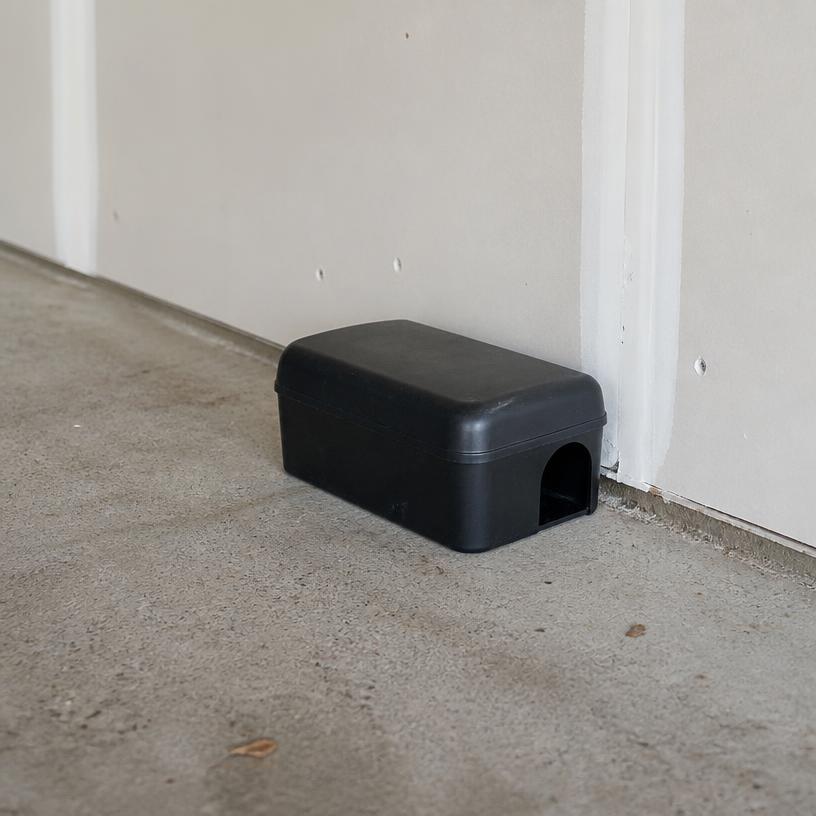
Professional rodent management combines thorough property inspection, species identification, and targeted placement in roof voids, wall cavities, and secure perimeter stations.
Rodent Control for Perth Homes
Rodent activity in Perth homes is not merely an inconvenience—it poses practical risks to household infrastructure and health. Both the Black Rat (Roof Rat, Rattus rattus) and the House Mouse (Mus musculus) thrive across suburban Perth, utilizing established gardens, palm trees, boundary fences, and building voids for shelter and nesting.
Rats and mice have open-rooted incisors that grow continuously. They gnaw on electrical wiring, solar cabling, timber joists, and PVC pipes in roof spaces, creating potential fire hazards and costly water leaks.
Rodents can contaminate food and surfaces, which is one reason prompt control and good sanitation matter. They leave urine trails, hair, and droppings across kitchen benches, pantries, and cutlery drawers.
As nocturnal animals, rats and mice are most active late at night. Loud scratching, gnawing, and scampering within ceilings and hollow walls disrupt sleep and cause distress for occupants.
Under Western Australian health regulations, property owners and occupiers have an ongoing responsibility to keep premises free from rodent harbourage. Fix4U delivers systematic control to help Perth households maintain clean, compliant living environments.
Rats vs Mice: Understanding the Difference
While rats and mice are both rodents, they behave differently and require distinct management strategies. A treatment strategy designed for curious mice may fail against cautious, neophobic rats.
| Characteristic | Rats (Roof Rat & Norway Rat) | House Mice (Mus musculus) |
|---|---|---|
| Adult Body Size | 16 to 25 cm body length plus tail; robust, heavier build | 6 to 10 cm body length plus tail; slender, small build |
| Head & Snout | Large head, pointed snout with large ears (Roof Rat) or blunt snout (Norway Rat) | Small triangular head, pointed nose, proportionally large rounded ears |
| Droppings | 12 to 20 mm long, spindle or sausage-shaped with blunt or tapered ends | 3 to 6 mm long, thin, pointed at both ends (like black grains of rice) |
| Habitats & Nests | Ceiling cavities, roof spaces, wall cavities, subfloors, burrows, external sheds | Inside cupboards, under kickboards, behind fridges, pantries, wall voids |
| Audible Activity | Heavier scratching, scraping, dragging, and loud gnawing in ceilings at night | Light scurrying, faint scratching inside cupboards or lower wall sections |
| Feeding Behaviour | Neophobic (cautious of new objects); feed in established, predictable patterns | Curious nibblers; investigate multiple small food sources over a 3 to 5 metre radius |
| Entry Gap Needed | Openings as small as 12 to 15 mm (roughly the size of a 20-cent coin) | Gaps as small as 6 to 8 mm (roughly the diameter of a standard pencil) |
*Note: Juvenile rats are occasionally confused with adult mice. A technician examines droppings, rub marks, and structural runway patterns to confirm species before deploying treatment.
Signs of Rodent Activity in Your Property
Because rodents are nocturnal, property owners frequently detect secondary evidence of an infestation before ever seeing a live rat or mouse:
Repetitive scampering, scratching, or gnawing sounds heard in roof voids and hollow walls at night.
Dark spindle-shaped pellets (rats) or small rice-grain sized droppings (mice) along kickboards, pantries, and roof spaces.
Chewed cardboard cartons, pantry items, plastic pipes, timber skirting, or damaged electrical wires.
Dark, oily residue left along walls, rafters, and skirting boards where rodents repeatedly brush their oily coats.
A distinct, persistent musky or stale ammonia smell in confined areas such as cupboards, pantries, and ceiling voids.
Piles of torn insulation, chewed cardboard, fabric, or dry leaf debris gathered in warm, concealed spaces.
Dogs or cats persistently barking, sniffing, or pawing at specific wall junctions, cupboards, or under appliances.
Bags of cereal, rice, bread, or pet food bags that have been pierced with small puncture gnaw marks.
Rats and Mice in Roofs and Wall Cavities
In Perth, roof spaces and hollow wall cavities are the primary operational zones for rodent infestations. Understanding how rodents navigate residential structures is key to effective management.
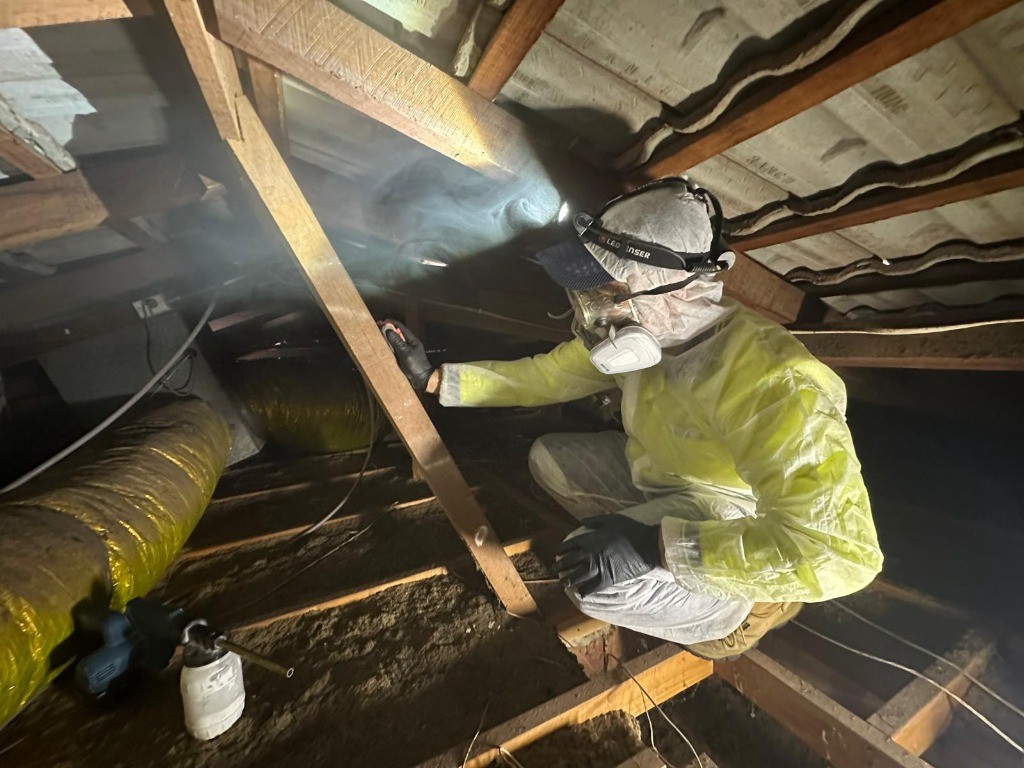
Perth roof cavities provide shelter and insulation for nesting rodents. Technicians inspect roof voids to evaluate droppings, nesting zones, and structural entry gaps.
Some Perth properties use brick cavity construction, which incorporates a hollow void between external and internal brick walls. Rodents utilise these cavities as protected vertical highways, allowing them to move from outdoor ground perimeters directly up into ceiling insulation without ever being exposed in open living areas.
Common structural entry points include:
- Overhanging Trees & Climbers: Branches touching gutters and rooflines create bridges for agile climbing rats.
- Eave Junctions & Barge Capping: Small gaps where metal sheeting or clay tiles meet timber fascia and unsealed eaves.
- Brick Weep Holes & Vents: Unprotected weep holes at foundation levels provide ground-floor access into wall cavities.
- Plumbing & Air Conditioning Penetrations: Oversized gaps around pipework where utility lines enter external walls.
- Attached Garages & Roller Doors: Worn bottom seals on garage doors allowing easy ground ingress into adjacent laundry and kitchen walls.
Could It Be a Possum?
Scratching or movement in a roof can have different causes. Native wildlife such as brushtail possums may require an appropriate wildlife response.
- Produce heavy, hollow, galloping footfalls overhead.
- Typically active leaving the roof around dusk and returning at dawn.
- Protected native fauna under the WA Biodiversity Conservation Act 2016.
- Must not be baited, poisoned, harmed, or moved without statutory wildlife permits.
- Produce lighter, rapid scurrying, scratching, and distinct gnawing sounds.
- Intermittently active in roof voids, wall cavities, and pantries all night.
- Classified pest rodents causing structural damage and hygiene concerns.
- Targeted through professional pest control inspection and treatment.
Fix4U focuses strictly on target rodent pests (rats and mice) and does not provide possum removal or wildlife relocation services. If an inspection reveals native fauna rather than rodents, our technicians will advise you on the appropriate wildlife response.
Professional Rodent Control Process
Fix4U applies a structured five-step methodology to identify, control, and prevent rodent activity:
Inspection and Identification
The technician examines accessible roof cavities, perimeter areas, outbuildings, and suspected internal zones. We assess droppings, runway smears, gnaw marks, and entry points to identify the active species and extent of activity.
Locating Activity and Entry Areas
We map out primary nesting sites, travel runways, food attractants, and external structural gaps contributing to the problem.
Targeted Treatment Approach
Where bait is used, appropriate tamper-resistant placement and product-label directions should be followed. Treatment includes strategic bait placement in inaccessible ceiling voids, secure lockable stations for external perimeters, and mechanical trapping in sensitive indoor areas.
Monitoring and Follow-Up
Follow-up monitoring or treatment may be recommended depending on the property and level of activity. Rodent activity should reduce progressively, but the timeframe varies depending on the species, infestation level, access and treatment approach.
Prevention Recommendations
Upon completing the service, technicians can identify potential entry points and provide prevention recommendations where appropriate, helping homeowners deter future rodent access.
Baiting vs Trapping: Which Method Is Right?
Professional rodent management balances efficacy and environmental suitability. Both baiting and mechanical trapping have distinct roles depending on where pests are active:
Professional rodent baits are effective for managing broader populations across roof cavities and external grounds. Formulations are housed in locked, tamper-resistant external stations or positioned in enclosed ceiling voids away from children and pets.
Mechanical snap traps and capture devices are often preferred in sensitive indoor zones—such as pantries, kitchen cupboards, or food preparation areas—where immediate carcass retrieval is desired without introducing bait formulations.
Your technician will determine the most appropriate approach or combination based on the layout of your building, the species present, and household safety requirements.
Pet and Child Safety
The welfare of your household and pets is our highest priority during any pest management service.
Pre-Treatment Communication: Tell the technician about pets, children and other sensitive occupants before treatment. Follow product-label and technician instructions.
Tamper-Resistant Placement: Where bait is used, appropriate tamper-resistant placement and product-label directions should be followed. External and accessible bait points are housed in lockable stations to keep bait secured away from pets and children.
Targeted Roof and Void Placement: Baiting within enclosed roof voids or concealed wall cavities is positioned in areas outside the normal reach of children and domestic pets.
Clear Product Information: Technicians provide clear safety instructions following treatment. Always follow product-label guidance and technician directions for your property.
Dead Rodents and Odour Questions
A common question among property owners is what happens after a rodent treatment and whether carcasses will create odours:
If a rodent dies in an accessible area, retrieval options can be discussed with the technician. Access and service scope should be confirmed before treatment.
While many rodents leave harbourage areas, natural roof ventilation often helps dry carcasses; however, temporary odours can sometimes occur if an animal succumbs near an air vent or ceiling opening.
Technicians can provide advice on odour-management strategies and air-neutralising options if required. We do not guarantee zero odour or carcass retrieval in inaccessible voids, but our team works with you to minimise inconvenience.
Rodent Control Prices in Perth
Fix4U provides straightforward, transparent pricing with no hidden surcharges:
Rodent Control (Rats & Mice)
Rodent control from $200 inc GST. Final pricing depends on the property, access, activity and treatment requirements.
- Property dimensions and layout
- Level of rodent activity
- Roof void and subfloor access
- Number of tamper-resistant stations required
Preparing Your Home for Rodent Treatment
To assist your technician in conducting an efficient inspection and treatment, please review these practical preparation steps:
Ensure the ceiling access hatch (manhole) is accessible and clear of furniture, storage boxes, or hanging garments.
Store pantry dry goods, cereals, grains, and baking ingredients in airtight containers made of glass, hard plastic, or metal.
Remove pet food bowls and avoid leaving uneaten dry pet kibble out overnight, as it is a prime food source for rodents.
Wipe down kitchen counters, sweep under cooktops and toasters, and empty internal rubbish bins before the technician arrives.
Take note of where noises, droppings, or sightings have occurred so you can inform the technician during the initial walkthrough.
Keep dogs and cats safely secured in another room or outdoor yard during inspection and station placement.
What to Expect After Rodent Treatment
Understanding what happens following treatment ensures realistic expectations:
Rodent activity should reduce progressively, but the timeframe varies depending on the species, infestation level, access and treatment approach. Pests require time to discover bait stations and feed.
Follow-up monitoring or treatment may be recommended depending on the property and level of activity. In properties with heavy or established populations, inspecting stations and monitoring bait consumption ensures sustained population control.
Maintain clean kitchen benches and secure food waste to ensure rodents from adjoining properties or reserves are not drawn toward your home.
Rodent Prevention Tips for Perth Properties
Long-term protection requires ongoing environmental proofing and eliminating attractants around your property:
Prune tree branches, pergolas, and creeping vines at least 1 to 2 metres back from gutters and eaves to remove direct bridges to your roofline.
Store dog, cat, and bird feed in sealed metal or thick plastic bins. Never leave full food bowls outside overnight.
Collect fallen citrus, figs, and stone fruit from garden beds promptly, as backyard fruit trees provide a substantial food supply for suburban rats.
Technicians can identify potential entry points and provide prevention recommendations where appropriate to help seal vulnerable gaps.
Residential Rodent Control Across Perth
Fix4U provides domestic rodent treatments tailored for single-storey homes, multi-level residences, duplexes, and rental properties across Perth.
Whether you are an owner-occupier concerned about noises in the ceiling, a landlord fulfilling tenancy requirements, or a tenant moving into a new property, our team delivers systematic pest control services designed to protect your home.
Homeowners frequently combine rodent management with our general pest control package or annual termite inspection and termite treatment & barriers for comprehensive structural defence.
Commercial Rodent Management for Perth Businesses
Rodent activity in commercial settings presents serious hygiene and operational risks. Commercial pest management can form part of a broader hygiene and pest-management programme. Businesses remain responsible for meeting applicable regulatory requirements.
Detailed inspections of storage areas, loading bays, refuse areas, and ceiling spaces.
Secure external perimeter bait stations and internal mechanical monitoring devices.
Service records detailing station placement, activity findings, and sanitation recommendations.
Why Choose Fix4U Pest Control
When dealing with rodents in your roof or walls, choosing a registered, locally operated pest management business makes the difference:
Fully registered WA pest management business operating under Department of Health standards (ABN: 52 857 684 494).
Depot located at 120 Dowitcher Loop, Gosnells WA 6110, providing direct service across the Perth metro area.
Rodent control starting from $200 inc GST with clear explanations of all property-specific factors.
From rodent treatments to cockroach control and general sprays, we cover all primary urban pests.
Perth Metropolitan Service Areas
Fix4U provides professional rodent control across the Greater Perth metropolitan region, including residential corridors and commercial hubs:
Canning Vale, Willetton, Cockburn Central, Fremantle, Jandakot, and Harrisdale.
Joondalup, Stirling, Osborne Park, Balcatta, Scarborough, and Wanneroo.
Midland, Swan Valley, Guildford, Kalamunda, Forrestfield, and Belmont.
Frequently Asked Questions
Find answers to common questions about rats, mice, roof treatments, pricing, and pet safety:
Rats are significantly larger (16 to 25 cm body length) with large droppings (12 to 20 mm) and tend to cause loud scratching or gnawing in ceilings. Mice are smaller (6 to 10 cm) with rice-grain sized droppings (3 to 6 mm) and typically nest indoors near kitchens, pantries, and under appliances. A professional inspection confirms the active species.
Book Professional Rodent Control in Perth
Eliminate rats and mice from your roof, walls, and kitchen with targeted treatments from Fix4U Pest Control. Contact our Gosnells team for prompt service and clear pricing.